
Introduction: 

Toxins are massively abundant in our present world and have unfortunately been so for many decades now, possibly centuries. The onset of chemical warfare in the early 20th century and the invention of plastics, pharmaceuticals, and the 1000’s of technological inventions used in agriculture have made our lives easier in one sense, but far more toxic in another. Our crops are now grown with high amounts of pesticides, our water is infused with hundreds of man-made chemicals that have leaked from land to well to home to sewer to rain to land, etc; and our air is the most polluted it has ever been, especially in highly populated areas. Toxins are in our clothes, our cosmetics, our furniture, and even our wall paint.  Not to mention the high usage of electronic devices that now spread damaging electromagnetic waves all throughout households, communities, and even throughout space. It’s unfortunately unavoidable, even if you lived in the healthiest and cleanest community on earth, toxins are ever present. 

         The important thing to remember is that everyone’s exposure to toxins is different and can vary from an acute exposure that lasts only weeks to a chronic one that last months, years, or even decades. The first step is complete a full evaluation of your exposures and start being mindful of how you can begin to reduce them. You might want start with asking a few questions like: Do you eat inorganic food? Do you have a good reverse osmosis water filter? Do you live somewhere that is polluted? Do you have lead in your pain? These are just a few questions that I ask my patients before we start a detoxication program. Depending on their answers, I will walk them through a personalized protocol for toxin avoidance using the best practices and/or low toxin products on the market. 

The list below is a master list of how to start avoiding toxins and my recommended alternatives for each subject.

Food and Cooking: 

  • Avoid processed foods; consume whole foods as much as possible, ideally home prepared for freshness and with methods that avoid nutrient loss where possible (ie. Steaming, pressure cooking, clow cooking, short term microwaving). 
  • Consume organically certified or guaranteed pesticide-free produce. Pay special attention to high glyphosate crops. This is especially important when consuming fatty foods (e.g. dairy produce, vegetable oils, fatty meats) that tend to accumulate pesticides, veterinary drugs, and POPs. 
  • Avoid unfiltered, municipal tap water. A reverse osmosis or distillation system are the only two systems that remove xenoestrogens. I recommend installing a system in your kitchen like this or this or an on-the-counter contraption like this one. In addition, If you go with the on counter option, I advise you to re-mineralize your water (to at least pH 7.5) after filtering it with a suitable mineral source prior to drinking. I prefer Utah trace minerals, which you can purchase here: https://amzn.to/3WFXkso
  • Remove food allergens or dietary sensitivities from the diet as much as possible. Common foods are dairy, gluten, soy, egg, almonds, peanuts, and beef. However, if you do not know for sure, consider testing or trialing an elimination diet. Schedule a free evaluation to learn more about the test I use. To read up you can visit the website here: https://www.diagnosticsolutionslab.com/tests/igg-food-explorer
  • Avoid consuming alcohol entirely. Avoid caffeine while detoxing, especially if you are sensitive to it. Limiting to a 1 cup or a few sips might suffice. However, there are many wonderful adaptogenic alternatives like Four Sigmatic Think blend: https://amzn.to/3CbUK59
  • Reduce heavy metal exposure from predatory and river fish such as tuna, shark, etc. I recommend limiting tuna intake to 1 serving per week max or 2 per month for those with higher toxic burden. 
  • Avoid high-temperature cooking, such as frying and deep frying (This reduces the intake of AGEs and oxidized fats)
  • Avoid using PTFE-coated non-stick-treated pans (that may release fluorine gas during high-temperature cooking). I recommend using stainless steel sets – like these
  • Do not drink water or other beverages from plastic bottles, unless they are guaranteed BPA-free (or use glass bottles). I recommend buying a large clear water bottle with high quality plastic like this one: https://amzn.to/3X2qLF7
  • Avoid storing food in plastic containers, or covering food in plastic wrapping, especially where food contact occurs, unless it is guaranteed to be phthalate-free (use glass or earthenware for food storage). I recommend these: https://amzn.to/3Z7w5Jc

Cleaning and Cosmetics: 

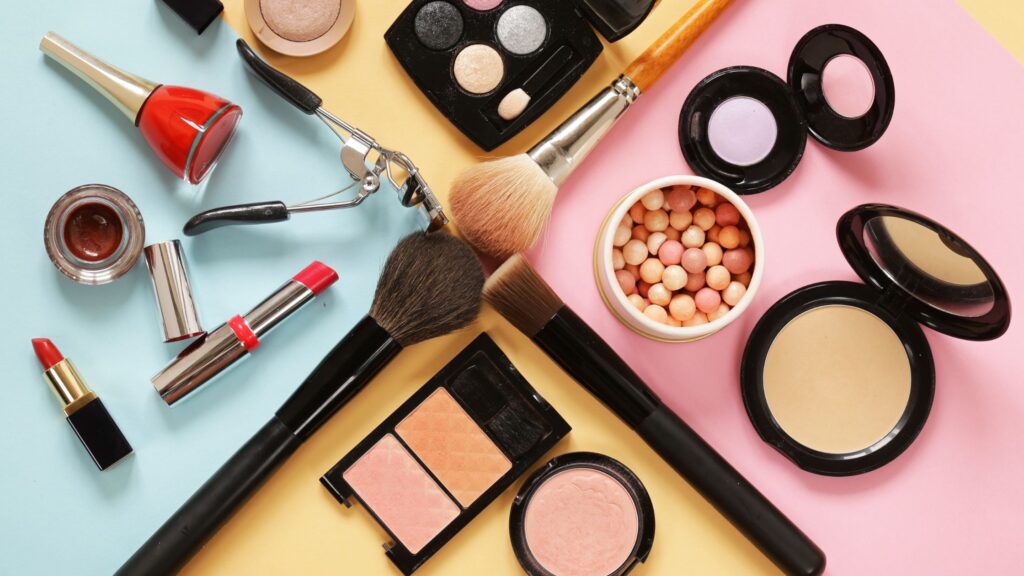
  • Reduce or eliminate personal care products that contain harmful ingredients (e.g. phthalates, parabens, PEGs, propylene glycol). Use the EWG app or Yuka app to find good quality low toxic cosmetics: https://www.ewg.org/skindeep/
  • Wear low chemical zinc based sunscreen with high spf (around 30-50) like this one https://amzn.to/3IhXGRN to protect from excess exposure to the sun’s toxic UV rays. Don’t forget that 15 min per day unprotected can help to support optimal vitamin D levels. 

Common Chemicals to Avoid in Cleaning Products

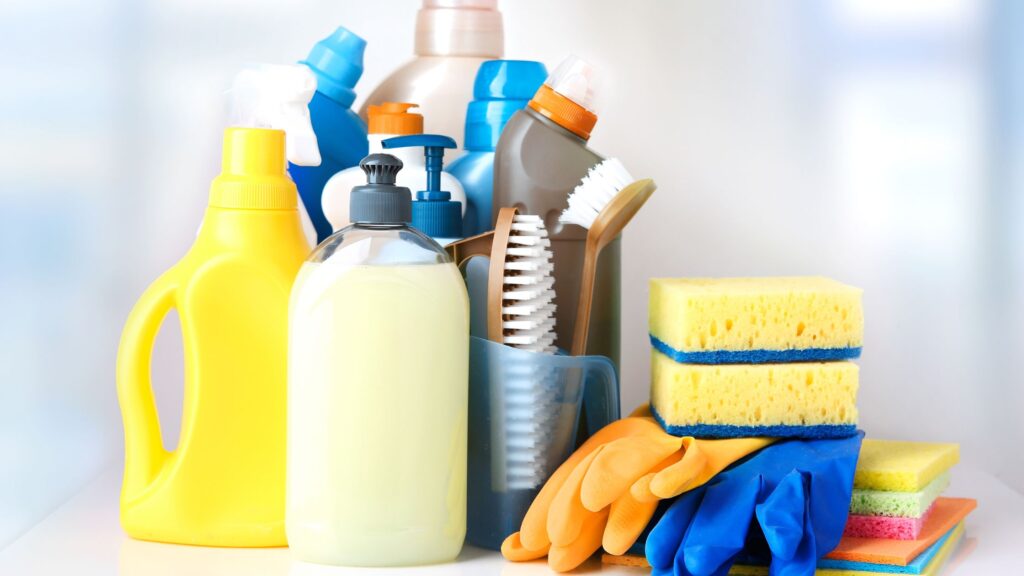
It’s great to be aware of the chemicals in your cleaning products and seek healthier alternatives! Many common household cleaners contain ingredients that can irritate your skin, eyes, and respiratory system, and some are linked to more serious long-term health concerns.

Here’s a list of common chemicals found in cleaning products and their healthy alternatives:

  • Fragrance/Parfum: This seemingly innocent term can hide hundreds of undisclosed chemicals, including phthalates (endocrine disruptors linked to reproductive issues and asthma), synthetic musks, and isothiazolinones (skin sensitizers). These can cause headaches, allergies, and respiratory issues.
    • Found in: All-purpose cleaners, laundry detergents, fabric softeners, air fresheners, dish soaps, scented candles.
  • Phthalates: Often found as carriers for fragrances, they are endocrine disruptors linked to reproductive harm, developmental issues, and increased allergic symptoms and asthma in children.
    • Found in: Scented air fresheners, dish soaps, laundry detergents, fabric softeners, cleaning product bottles (look for recycling symbol #3).
  • Ammonia: A strong irritant that can cause breathing problems, eye irritation, and chemical burns on skin. Mixing ammonia with bleach creates deadly toxic fumes (chlorine gas).
    • Found in: Glass cleaners, floor cleaners, polishing agents for silver and jewelry.
  • Chlorine Bleach (Sodium Hypochlorite): A powerful disinfectant, but highly poisonous if inhaled, swallowed, or if it comes into contact with skin. It can irritate mucous membranes, exacerbate asthma, and cause respiratory issues. Mixing it with other cleaners (especially ammonia or vinegar) can create deadly gas.
    • Found in: Toilet bowl cleaners, mildew removers, scouring powders, laundry bleaches.
  • Quaternary Ammonium Compounds (“Quats”): Disinfectants that can induce occupational asthma, trigger respiratory issues, and are linked to antibiotic resistance. They can also linger on surfaces.
    • Found in: Disinfectant sprays, wipes, toilet cleaners, fabric softeners.
  • Glycol Ethers (e.g., 2-Butoxyethanol): Solvents linked to reduced fertility, low birth weight, headaches, and hormonal imbalances. They can also irritate eyes, skin, and lungs and may lead to kidney and liver damage with prolonged exposure.
    • Found in: Glass cleaners, all-purpose spray cleaners, degreasers.
  • Formaldehyde: A known human carcinogen, it can cause watery eyes, skin irritation, coughing, wheezing, and in long-term exposure, lung damage and impaired memory.
    • Found in: Air fresheners, some scented cleaning products, particle boards, some preservatives.
  • Sodium Lauryl Sulfate (SLS) and Sodium Laureth Sulfate (SLES): Common surfactants used to create foam. They can be irritating to the skin and eyes and are often contaminated with toxic byproducts like 1,4-dioxane (a potential carcinogen).
    • Found in: Dish soaps, laundry detergents, surface sprays.
  • Phosphates: Used as chelating agents to soften water and prevent mineral buildup. While generally safe for human use, they have disastrous environmental effects, promoting algae blooms in waterways that deplete oxygen and harm aquatic life.
    • Found in: Laundry detergents, dishwashing detergents, some oven and drain cleaners.
  • Monoethanolamine (MEA), Diethanolamine (DEA), Triethanolamine (TEA): Emulsifiers that can be contaminated with 1,4-dioxane. MEA has been linked to asthma and DEA to skin irritation. When combined with other ingredients, DEA can form carcinogenic nitrosamines.
    • Found in: Liquid laundry detergents, all-purpose cleaners.
  • Triclosan: An antibacterial agent that has been banned in hand soaps but may still appear in some other cleaners. It contributes to antibiotic resistance and disrupts thyroid function.
    • Found in: Some “antibacterial” cleaning products.
  • Artificial Dyes: Often added for aesthetic appeal, synthetic dyes (often derived from coal tar) can accumulate in the body, cause skin irritation, and may contain heavy metals or contaminants linked to cancer.
    • Found in: Soaps, all-purpose cleaners, liquid laundry detergents (e.g., bright blues, greens, purples).
  • Sodium Hydroxide (Lye): A highly corrosive base found in strong cleaners. It causes severe chemical burns on contact with skin or lungs, and if ingested, can be deadly.
    • Found in: Oven cleaners, drain openers.

Healthy & Natural Cleaning Alternatives

The good news is you can clean your home effectively and safely with a few simple, natural ingredients.

Basic Ingredients for a Non-Toxic Cleaning Kit:

  • White Vinegar: An acidic powerhouse that cuts grease, dissolves mineral deposits, disinfects, and deodorizes.
  • Baking Soda (Sodium Bicarbonate): A gentle abrasive, deodorizer, and mild alkali that helps dissolve dirt and grease.
  • Castile Soap (Liquid or Bar): A concentrated, vegetable-oil-based soap that’s biodegradable and gentle, yet effective for general cleaning.
  • Hydrogen Peroxide (3% solution): A non-toxic disinfectant and stain remover that breaks down into water and oxygen. (Store in its original dark bottle, as light degrades it).
  • Lemon Juice/Lemons: Contains citric acid, which is a natural bleach, degreaser, and deodorizer.
  • Essential Oils (Optional, for scent): Choose pure, high-quality essential oils like lemon, lavender, tea tree oil, or peppermint for their natural scent and some antimicrobial properties. (Use sparingly, as some individuals can be sensitive to essential oils).
  • Microfiber Cloths: Excellent for trapping dirt and grime without chemicals and can be reused.
  • Spray Bottles: For mixing and applying homemade solutions.
  • Hot Water: Often a powerful cleaner on its own or when combined with other ingredients.

DIY Cleaning Recipes:

  • All-Purpose Cleaner:
    • 1 part white vinegar
    • 1 part water
    • A few drops of lemon or lavender essential oil (optional)
    • Mix in a spray bottle. Use on countertops, appliances, glass, and more.
  • Glass and Mirror Cleaner:
    • 1/2 cup white vinegar
    • 1/2 cup water
    • 1/4 cup rubbing alcohol (optional, for streak-free shine)
    • 1 tablespoon cornstarch (optional, helps buff out streaks)
    • Mix in a spray bottle. Spray and wipe with a lint-free cloth or crumpled newspaper.
  • Scrubbing Paste (for sinks, tubs, toilets):
    • 1/2 cup baking soda
    • Enough castile soap or water to make a paste
    • Mix well. Apply with a damp sponge, scrub, and rinse.
  • Toilet Bowl Cleaner:
    • Sprinkle baking soda generously into the bowl.
    • Pour 1 cup of white vinegar over the baking soda.
    • Let it fizz for 15-30 minutes (or longer for tough stains).
    • Scrub with a toilet brush and flush.
  • Drain Cleaner (for minor clogs/odor):
    • 1/2 cup baking soda
    • 1/2 cup white vinegar
    • Pour baking soda down the drain, followed by vinegar. Let it fizz for 15-30 minutes. Flush with a kettle of boiling water.
  • Oven Cleaner:
    • Make a thick paste of baking soda and a little water.
    • Spread the paste over the dirty oven surfaces (avoid heating elements and bare metal).
    • Let sit overnight (or at least a few hours).
    • Scrape off dried paste and grime with a spatula or plastic scraper, then wipe clean with a damp cloth. You can spray a little vinegar to help loosen any remaining residue.
  • Floor Cleaner (for most hard floors):
    • 1/2 cup white vinegar
    • 1 gallon warm water
    • A few drops of castile soap (optional, for extra cleaning power)
    • Mix in a bucket. Mop as usual. For wood floors, use sparingly and ensure they don’t get overly wet.
  • Mold/Mildew Remover:
    • Spray affected area with undiluted white vinegar or 3% hydrogen peroxide.
    • Let sit for at least 30 minutes.
    • Scrub with a brush and rinse. (Always test a small, inconspicuous area first).

More on Household Items: 

  • Eliminate or avoid excess second-hand smoke. If someone in your household smokes, try to consume extra vitamin C and do your best to ask them to smoke outdoors. 
  • Reduce or eliminate the use of toxic garden chemicals. Instead use low toxicity and environmentally friendly versions like ECOS or 7th Generation. 
  • Also wear gloves to avoid skin contact with any chemicals even if they are “healthy.”
  • HEPA/ULPA filters and ionizers can be helpful in reducing dust, molds, volatile organic compounds, and other sources of indoor air pollution. The one I use is: https://amzn.to/3WCbLh3.
  • Open windows in your home as weather permits, ideally with one on either side of the house for optimal circulation. Be sure to keep them clean of dust, mold, and residues. 
  • Use a carbon filter shower head (and replace regularly according to manufacturer specifications). This one has over 40K reviews! https://amzn.to/3vwfOzG.
  • Clean and monitor your heating systems to prevent the release of toxic carbon monoxide into your home. Be sure to have a carbon monoxide detector installed. I personally prefer this all in one smoke and carbon monoxide detector https://amzn.to/3i3DOHi.
  • Air dry-cleaned clothes in well-ventilated space before wearing or storing in your closet. 
  • Use solvent-free (water-based) paints if decorating interior spaces. 

Environment: 

  • Avoid inhaling heavy traffic fumes, especially when exercising heavily outdoors (e.g. running, cycling). A respirator containing both particulate and carbon filters like this one https://amzn.to/3VMehQY  which will reduce the level of harmful exposure. Keep in mind that filters should be changed regularly. 
  • Reduce heavy metal exposure by checking your building for lead paint, thimerosal containing products, and occupational exposures. Industries with high potential exposures include construction work, farmers, hair dressers, nail salons, plastic manufacturing, metalworking, most smelter operations or mining, radiator repair shops, firing ranges, gold course workers, mechanics, pilots and flight crew, radiology technicians, and others. http://www.chemfreecom.com/jobs-with-high-toxic-exposure-and-they-probably-wont-tell-you/ .
  • Understand all sources of possible workplace chemical or heavy metal exposures and take action to avoid or minimize. Be sure to check your companies OSHA manual for all chemicals used. In some cases, it may be helpful to engage the relevant trade union for assistance. 
  • Avoid chlorinated swimming pools; preferably, swim in sea water or other natural, open water or use seawater or ozone-treated pools. 
  • Prospective mothers should ensure they have minimized exposure to environmental toxins 6–12 months before planning to get pregnant and should minimize exposure to xenobiotics throughout breastfeeding.
  • Avoid excess exposure to UV radiation from the sun or tanning beds. See cosmetics for low toxin sunscreen recommendations.

Electro Magnetic Fields:

  • Minimize exposure to electromagnetic radiation (EMR) from cellular or cordless phones by ensuring that the time spent with them close to your head (12-18 inches) is kept to a minimum. Use ‘air tubes’ or speakers to reduce proximity of phone to head/body when talking. Read this article for more info: https://news.berkeley.edu/2021/07/01/health-risks-of-cell-phone-radiation/.
  • Keep phones on airplane mode and on the opposite side of the room in which you sleep. 
  • If working on computer, ensure screens and main computer parts are at least 12 inches from the body. It’s recommended to use a separate and wired keyboard to allow for such distance.
  • Do not use cordless telephones as most base stations emit EMR equivalent to transmission mast 250 m from house. Use corded phones for landlines instead.
  • Avoid excessive time (more than 1–2 h/day) watching television or using screens and sit more than 3 m away from television when watching.
  • Avoid any exposure to X-rays other than those regarded medically essential. You can always opt out at airports if you travel very often, just allow for extra time to be pat down.

Health and Lifestyle Toxins: 

  • Avoid recreational drugs, especially ones that are not tested for purity. 
  • Avoid taking excess over the counter meds such as antacids, Tylenol, NSAIDs, or other common over-the-counter medications and seek support for natural/non-drug alternatives. 
  • Remove GI infections, dysbiosis, and leaky gut which are common sources of endotoxins. Schedule a free evaluation to learn more about how I do this in my practice.
  • Optimize hormonal balance be it female or male sex hormones, thyroid, or cortisol. Schedule a free evaluation to learn more about how I do this in my practice.
  • Reduce excess stress and practice self care daily (ie. Meditation, deep breathing, etc.). Schedule a free evaluation to learn more about how I do this in my practice.
  • Avoid staying up late at night, which reduces your capacity to detox and also repair damage from toxicity. 

Conclusion: 

Avoiding toxins can be a challenging feat at first. Especially when if it is pervasive in your home like lead paint, mold spores, or polluted air quality. In most cases it is highly recommended to hire a professional if you feel as though you are not qualified to safely remove toxins from your home, so please use discretion. Either way, with time it will become like a new way of living, and you will find the lifestyle that works best for you and helps you move towards a healthier body. Please don’t hesitate to reach out and book a free evaluation to learn more about how I can support you on your detoxification journey!

Categories:

Ready to take your health to the next level?