

The phrase “estrogen dominance” is commonly used to describe patterns that may involve higher estrogen exposure, lower progesterone relative to estrogen, or impaired estrogen metabolism. The most helpful approach is to look at the underlying hormone pattern and symptoms together rather than focusing on the label alone.
A more useful way to think about the issue is to ask whether there is high estrogen, unopposed estrogen, low progesterone relative to estrogen, or another hormonal or gynecologic condition causing the symptoms. Estrogen naturally rises and falls across the menstrual cycle and across life stages, so context matters.1,2
What Does “Estrogen Dominance” Actually Mean?
Some clinicians use “estrogen dominance” to describe a situation in which estrogen’s effects are not adequately balanced by progesterone. The more established medical term is often unopposed estrogen, particularly when the uterine lining is exposed to estrogen without enough progesterone to counter its growth-promoting effects.1
That can happen for different reasons. For example, during some anovulatory cycles, ovulation does not occur and progesterone production may be lower. This becomes more common during perimenopause, when cycles can become less predictable.2
Symptoms such as breast tenderness, heavier bleeding, cycle changes, mood shifts, or fluid retention can offer useful clues, especially when they are considered alongside cycle timing, medical history, and appropriate testing.
Possible Signs of High or Unopposed Estrogen
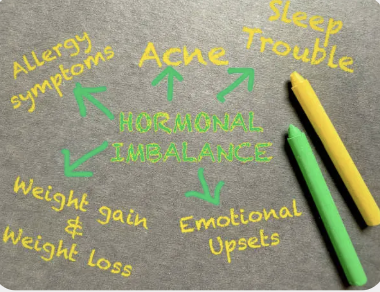
When estrogen is truly elevated or unopposed, possible symptoms can include breast tenderness, changes in menstrual bleeding, worsening PMS symptoms, mood changes, fatigue, and changes in body composition.1
- Heavy or irregular periods
- Breast tenderness or swelling
- Worsening premenstrual symptoms
- Mood changes
- Fatigue
- Changes in libido
Because these symptoms can overlap with several hormone and gynecologic conditions, targeted evaluation can help clarify whether estrogen, progesterone, thyroid function, PCOS, fibroids, endometriosis, or perimenopause is playing the biggest role.
What Can Cause High Estrogen?
There is no single cause. Estrogen levels can be influenced by ovarian function, medications, body composition, liver function, life stage, and certain medical conditions.1
Body fat and aromatase activity
Adipose tissue contains the enzyme aromatase, which can convert androgens into estrogens. This is one reason estrogen exposure can be higher in people with greater adiposity. That relationship is more complex than “inflammation turns testosterone into estrogen,” but the underlying biology is real.
Medications and hormone therapy
Some hormonal medications can raise estrogen exposure. If symptoms develop after starting or changing a medication, the right response is usually to review the dose and indication with the prescribing clinician—not to start a “detox” protocol.
Liver disease and estrogen metabolism
The liver plays an important role in metabolizing hormones, including estrogen. Supporting liver health with adequate protein, micronutrients, fiber-rich foods, moderate alcohol intake, and overall metabolic health is a sensible part of a hormone-supportive lifestyle.
Perimenopause and ovulatory changes
During perimenopause, ovulation becomes less predictable and hormone levels fluctuate more widely. Some cycles may have lower progesterone exposure because ovulation does not occur, even as estrogen levels continue to fluctuate.2

Can Diet Lower Estrogen?
Diet can meaningfully support estrogen metabolism through fiber intake, bowel regularity, overall metabolic health, and a nutrient-dense eating pattern. Nutrition is not the only factor involved, but it can be an important part of a broader hormone-support strategy.
Fiber and estrogen metabolism
Dietary fiber is involved in bowel regularity and can influence the enterohepatic circulation of estrogen. Older controlled studies found that higher-fiber dietary patterns could alter fecal estrogen excretion and circulating estrogen concentrations in some premenopausal women.3,4
This makes fiber especially interesting from a hormone-health perspective. Fiber supports bowel regularity and can influence estrogen excretion, making adequate intake a practical foundation for both gut and hormone health.
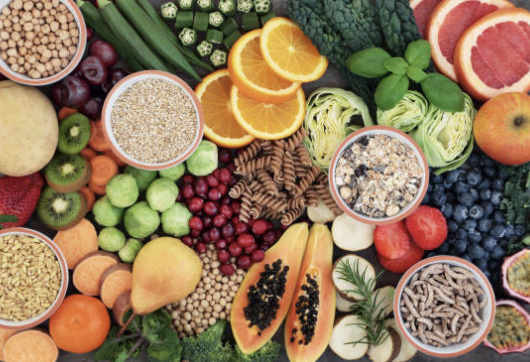
- Beans and lentils
- Whole grains
- Berries and pears
- Leafy greens and cruciferous vegetables
- Chia and flax seeds
What about the gut microbiome?
The gut microbiome participates in estrogen metabolism through bacterial enzymes sometimes described collectively as the estrobolome. This is an active and exciting area of research, and it strengthens the rationale for supporting gut health with fiber, diverse plant foods, regular bowel movements, and an overall nutrient-dense diet.5,6
For a broader discussion, see The Gut-Hormone Connection.
Soy and phytoestrogens can fit into a hormone-supportive diet
Soy foods contain phytoestrogens that interact with estrogen receptors differently from human estrogen. For many people, minimally processed soy foods such as tofu, tempeh, edamame, and soy milk can fit comfortably into a balanced hormone-supportive diet.
If certain foods consistently trigger digestive or inflammatory symptoms, identifying those patterns can still be useful. The goal is to connect food reactions to the mechanism that best fits—such as intolerance, allergy, IBS triggers, or another digestive issue—while supporting overall hormone health.

Lifestyle Habits That Support Hormone Health
No workout schedule or sleep routine can guarantee “balanced estrogen,” but the same habits that support cardiometabolic and reproductive health also support the systems involved in hormone regulation.
- Exercise regularly: include both aerobic activity and resistance training.
- Sleep consistently: most adults benefit from roughly 7–9 hours per night.
- Limit excess alcohol: alcohol can affect estrogen metabolism and is also a modifiable cancer-risk factor.
- Aim for a sustainable body composition: both substantial under-fueling and excess adiposity can affect reproductive hormones.
- Manage chronic stress: stress regulation can support sleep, appetite, metabolic health, and reproductive function.
For practical stress strategies, see Master Stress Management: Your 4-Step Daily Ritual.

Is High Estrogen the Cause of PCOS, Endometriosis or Cancer?
This is where understanding the bigger hormonal picture becomes especially useful. Estrogen can play a meaningful role in several conditions, often alongside immune, metabolic, genetic, and other hormonal factors.
- PCOS: PCOS is a complex endocrine-metabolic condition usually characterized by ovulatory dysfunction and/or androgen excess. It should not be reduced to an estrogen problem.
- Endometriosis: endometriosis is estrogen-responsive, but its development involves immune, inflammatory, genetic, and hormonal factors.7
- Fibroids and endometrial conditions: estrogen can stimulate growth of estrogen-responsive tissues, but diagnosis requires appropriate medical assessment.
- Hormone-sensitive cancers: lifetime estrogen exposure can influence risk for some cancers, but cancer risk cannot be reduced to a single hormone value or a wellness diagnosis.
That distinction matters because treating every symptom as an estrogen problem can delay the evaluation of conditions that need specific care.

When Should You Get Hormones Evaluated?
Consider medical evaluation if you have persistent or new symptoms such as:
- Very heavy menstrual bleeding
- Bleeding between periods or after sex
- New or persistent cycle irregularity
- Periods that suddenly become much heavier or longer
- Severe pelvic pain
- New breast changes
- Infertility concerns
- Symptoms that significantly disrupt daily life
ACOG notes that bleeding patterns often change during perimenopause, but heavy bleeding, bleeding between periods, or other unusual bleeding still deserves evaluation.2
Hormone testing may be useful in the right context, but estrogen fluctuates across the menstrual cycle, so a single blood value is not always enough to explain symptoms.1 If you are trying to make sense of nutrition, symptoms, labs, and gut health together, learn more about functional nutrition services and our functional testing approach.

Frequently Asked Questions
Is estrogen dominance a medical diagnosis?
The term is often used informally. In practice, it is more useful to identify whether the pattern involves high estrogen, unopposed estrogen, low progesterone relative to estrogen, or another hormonal driver.
Can fiber help lower estrogen?
Fiber can influence estrogen metabolism and excretion, and controlled studies have found changes in circulating estrogen with higher-fiber diets. That makes fiber-rich foods a practical and valuable part of a hormone-supportive eating pattern.3,4
Should I avoid soy if I think my estrogen is high?
Soy can fit well for many people. Its phytoestrogens are not equivalent to human estrogen, and foods such as tofu, tempeh, edamame, and soy milk can be nutrient-dense choices.
Can gut health affect estrogen?
The gut microbiome participates in estrogen metabolism, making gut health a promising part of the hormone conversation. Research is still developing around specific microbiome tests and probiotic protocols, while fiber, plant diversity, and bowel regularity remain practical foundations.5,6
The Bottom Line
If you have symptoms that feel estrogen-related, a useful next step is to ask: “What combination of hormones, gut health, metabolism, lifestyle, and medical factors could be driving this pattern—and which of those can I support?”
A fiber-rich, minimally processed diet, regular exercise, adequate sleep, moderate alcohol intake, and stress management are all reasonable foundations for hormone and metabolic health. But persistent symptoms deserve proper evaluation rather than a one-size-fits-all hormone protocol.
References
- Cleveland Clinic. High Estrogen: Causes, Symptoms, Dominance & Treatment. Updated 2026. https://my.clevelandclinic.org/health/diseases/22363-high-estrogen
- American College of Obstetricians and Gynecologists (ACOG). Perimenopausal Bleeding and Bleeding After Menopause. https://www.acog.org/womens-health/faqs/perimenopausal-bleeding-and-bleeding-after-menopause
- Gorbach SL, Goldin BR. Diet and the excretion and enterohepatic cycling of estrogens. Preventive Medicine. 1987;16(4):525-531. doi:10.1016/0091-7435(87)90067-3. https://pubmed.ncbi.nlm.nih.gov/3628202/
- Goldin BR, Woods MN, Spiegelman DL, et al. The effect of dietary fat and fiber on serum estrogen concentrations in premenopausal women under controlled dietary conditions. Cancer. 1994;74:1125-1131. https://pubmed.ncbi.nlm.nih.gov/8039147/
- From Gut to Hormones: Unraveling the Role of Gut Microbiota in (Phyto)Estrogen Modulation in Health and Disease. 2024. https://pubmed.ncbi.nlm.nih.gov/38342595/
- The impact of estrogen status on the gut microbiome: a systematic review and meta-analysis. 2026. https://pubmed.ncbi.nlm.nih.gov/42006274/
- American College of Obstetricians and Gynecologists (ACOG). Endometriosis. https://www.acog.org/womens-health/faqs/endometriosis