

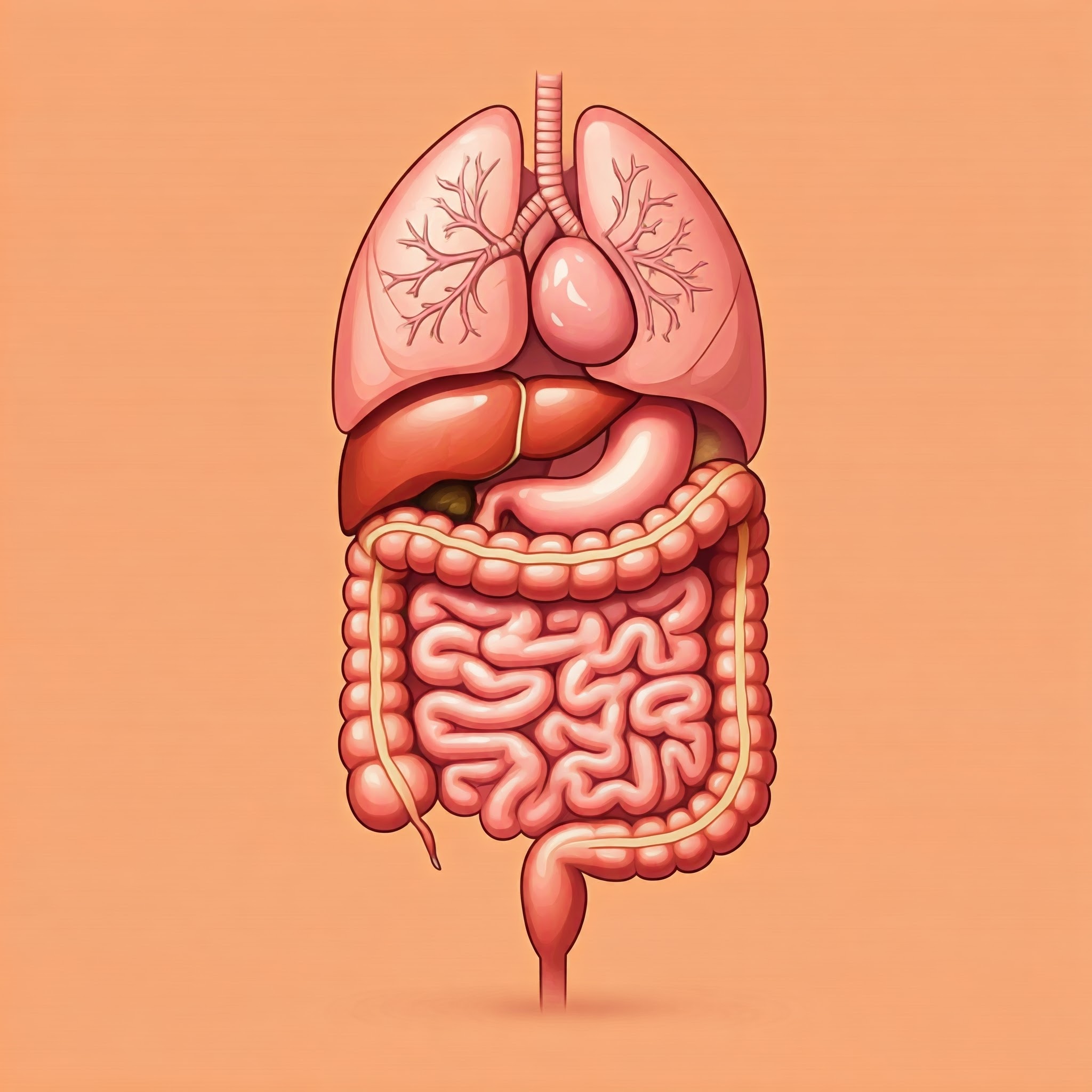
The gut and hormone systems communicate through immune, metabolic, neural, and endocrine pathways, which makes gut health an important part of the bigger hormonal picture. Supporting the microbiome, digestion, metabolic health, and stress regulation can all contribute to a stronger foundation for hormone health.
How the Gut and Hormone Systems Interact
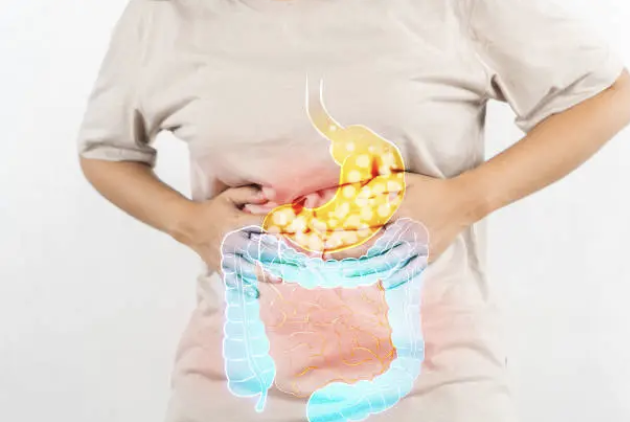
The gut microbiome produces metabolites and interacts with the immune and nervous systems. The brain, endocrine system, and autonomic nervous system also influence gut motility, secretion, permeability, and microbial activity. Researchers increasingly describe this as a brain-gut-microbiome system.
The Gut Microbiome and Estrogen
Some gut bacteria produce enzymes such as beta-glucuronidase that can deconjugate estrogens in the intestine and influence enterohepatic recycling. This collection of microbial genes is sometimes called the estrobolome.
This is an active and promising area of research. We already know the microbiome participates in estrogen metabolism, while research is still working out exactly how to translate those findings into individualized testing and treatment.
For a more detailed discussion of high estrogen and “estrogen dominance,” read High Estrogen and “Estrogen Dominance”: What the Evidence Says.
The Gut-Brain Axis, Stress and Cortisol
Stress can affect gastrointestinal function, and the gut microbiome may influence stress signaling through neural, immune, and metabolic pathways. Research on the microbiome and hypothalamic-pituitary-adrenal (HPA) axis is growing, but many mechanistic findings still come from animal or early human studies.
It is therefore too strong to say that gut inflammation directly causes high cortisol or that correcting the microbiome will normalize cortisol.
Gut Health and Insulin Sensitivity
The gut microbiome is associated with metabolic health and insulin resistance, and researchers are studying mechanisms involving inflammation, bile acids, short-chain fatty acids, and microbial metabolites. But insulin resistance is multifactorial and cannot be diagnosed or treated by microbiome testing alone.

What Should You Eat to Support Gut and Hormone Health?
The most defensible advice is also the least dramatic: eat a varied, nutrient-dense diet that supports metabolic health and provides enough fiber, protein, micronutrients, and healthy fats.
- Fiber-rich plant foods: vegetables, fruit, legumes, oats, whole grains, nuts, and seeds
- Fermented foods: yogurt, kefir, kimchi, or sauerkraut if tolerated
- Unsaturated fats: olive oil, avocado, nuts, seeds, and fish
- Protein: enough to support muscle, satiety, and overall nutrition
- Minimally processed foods: as the foundation, without requiring perfection
Do You Need to Remove Gluten, Dairy, Caffeine or Other Foods?
Not routinely. Gluten should be strictly avoided in celiac disease, dairy may need adjustment in lactose intolerance or milk allergy, and caffeine or alcohol may worsen symptoms for some people. But there is no evidence-based rule that everyone with hormone symptoms needs to eliminate these foods.
Similarly, IgG food sensitivity testing is not recommended by major allergy organizations to diagnose food intolerance or inflammation.
Do Probiotics Balance Hormones?
Probiotics can be useful in selected situations, especially when a specific strain has evidence for a digestive concern. For hormone health, the strongest approach is to view probiotics as one possible tool within a broader strategy that includes fiber, diverse plant foods, sleep, movement, and metabolic health.

Lifestyle Factors Still Matter
Sleep, exercise, body composition, stress, alcohol intake, medications, and overall dietary pattern all affect metabolic and reproductive health. Those factors usually have stronger clinical relevance than chasing a perfect microbiome profile.
What Testing Is Actually Useful?
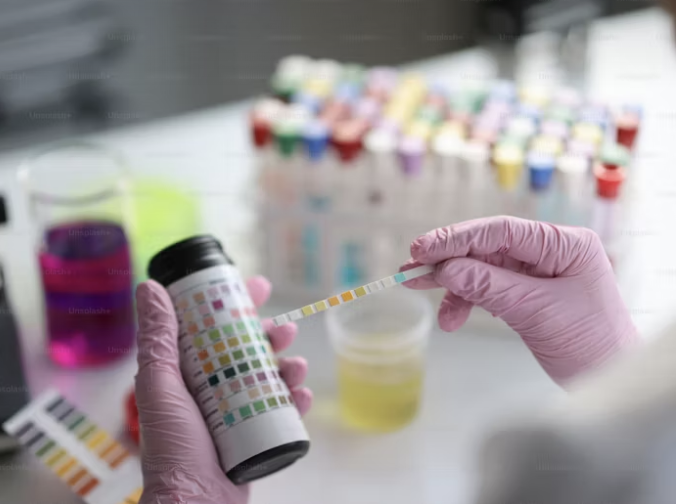
Testing should match the symptoms. Blood tests can be useful for thyroid function, glucose regulation, iron status, reproductive hormones, or other specific questions. Hormone testing needs appropriate timing and interpretation.
Commercial stool microbiome tests and broad saliva/urine panels can sometimes provide descriptive data, but they should not be treated as definitive explanations for complex hormone symptoms.
Frequently Asked Questions
Can gut bacteria affect estrogen?
Yes, gut microbes participate in estrogen metabolism. The clinical importance is still being defined, and there is no validated “estrobolome treatment” for hormone imbalance.
Can dysbiosis cause high cortisol?
The gut-brain-microbiome system interacts with stress pathways, but a direct clinical rule that dysbiosis causes high cortisol is not established.
Should I take a probiotic for hormone balance?
Not automatically. Probiotic effects are strain-specific and no generic probiotic has been proven to normalize hormones.
If you want help interpreting symptoms, labs, diet, and gut health together, learn more about our functional nutrition services.
References
- Kumari N, et al. From Gut to Hormones: Unraveling the Role of Gut Microbiota in (Phyto)Estrogen Modulation in Health and Disease. 2024. PubMed.
- Dong TS, Mayer E. Advances in Brain-Gut-Microbiome Interactions. 2024. PubMed.
- Semo D, Reinecke H, Godfrey R. Gut microbiome regulates inflammation and insulin resistance. 2024. PubMed.
- American Academy of Allergy, Asthma & Immunology. The Myth of IgG Food Panel Testing. Updated 2026. AAAAI.